
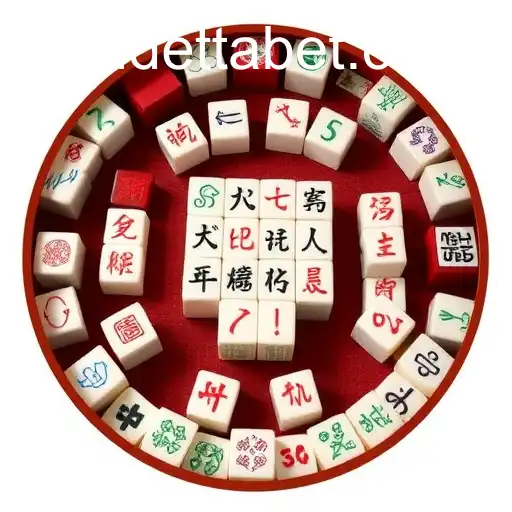

The Fascination with Mahjong
The game of Mahjong, a traditional tile-based game, originates from China and has captivated players across the globe. Despite its ancient roots, Mahjong remains a favorite pastime for many, engaging in a game rich with strategy, skill, and luck. As the game evolves, so do the terms and phrases associated with it, such as "rique 777 PG," which have begun to emerge in newer, digital adaptations.
What is Mahjong?
Mahjong is typically played with a set of 144 tiles based on Chinese characters and symbols, although regional variations may exist. The ultimate objective is to build a winning hand by drawing and discarding tiles, similar to a card game. The game requires four players and is often compared to the Western game of Rummy due to the similar strategies of matching sets and runs.
The Historical Aspect
Dating back to the Qing dynasty, Mahjong was initially played by the nobility. Over the decades, however, it has permeated all levels of Chinese society and spread internationally. The game's evolution includes a wide array of styles and rulesets, contributing to its persistence in modern culture.
The Rise of Digital Mahjong
In recent years, Mahjong has transformed from a purely physical experience to an increasingly popular digital phenomenon. Online platforms and mobile apps have expanded the game's reach, bringing it to new audiences and introducing new terminology, such as "rique 777 PG." These platforms often include various game modes and features, catering to both casual players and seasoned veterans.
Understanding "Rique 777 PG"
The term "rique 777 PG" is representative of the innovation and changes brought to traditional Mahjong through its digital incarnations. While not a term from classic Mahjong gameplay, it reflects the hybridization of traditional concepts with modern gaming terms. This vernacular often surfaces in online Mahjong communities and platforms, highlighting unique game features or strategies specific to digital versions.
The Gameplay: A Balance of Skill and Chance
Success in Mahjong relies significantly on the player's ability to strategize. Keen observation, memory, and tactics play critical roles, unlike games driven solely by chance. Players must make calculated decisions with each tile drawn or discarded, always considering the potential strategies of opponents.
Tile Composition and Game Strategy
The Mahjong tile set comprises several suits, including dots, bamboo, and characters. Additionally, there are honor tiles, which include winds and dragons, and optional flower or season tiles in various styles. Mastery of these components is essential for success, as players strive to assemble winning combinations.
Emphasizing strategic depth, the game encourages players to disrupt competitors' hands while advancing their own. Deductive reasoning is valuable in anticipating opponents' moves, providing a cerebral challenge that makes each game a unique experience.
Cultural Significance
Majong is not only a popular leisure activity but also bears cultural significance, particularly in Asian communities. It serves as a social conduit, reinforcing family ties and community connections through shared cultural practices. In traditional settings, Mahjong games accompany celebrations and gatherings, reflecting its importance beyond that of mere entertainment.
Global Influence and Adaptation
Around the world, Mahjong has influenced numerous adaptations. Simplified Mahjong, typically shorter in duration, attracts Western audiences. The game’s adaptability has allowed it to integrate into various cultures, reflecting a blend of tradition and modernization.
The Modern Appeal of Mahjong
Mahjong's resurgence in popularity can be attributed to its immersive experience, challenging players to engage deeply with the game. Its combination of history, strategy, and social interaction captivates a diverse demographic, contributing to its enduring legacy.
The Integration with Technology
The digital age has ushered in new opportunities for Mahjong enthusiasts. Virtual reality adaptations and AI technologies are now part of the Mahjong experience, offering innovative ways to engage with the game. This integration enriches the player experience, bridging the gap between generations of players.
The incorporation of phrases like "rique 777 PG" highlights the intersection of traditional gameplay with new forms of media and communication. Online communities thrive on such unique adaptations, facilitating a global exchange of ideas and strategies.
Conclusion
Mahjong continues to be a beloved pastime, delighting millions with its intricate strategies and deep cultural roots. The emergence of terms like "rique 777 PG" signify the ongoing evolution of Mahjong in the digital age, creating a dynamic space where tradition meets innovation. As the game endures through centuries, it stands as a testament to the timeless appeal and universal enjoyment it inspires.